


For playwright Mia Chung, a play is never truly finished.
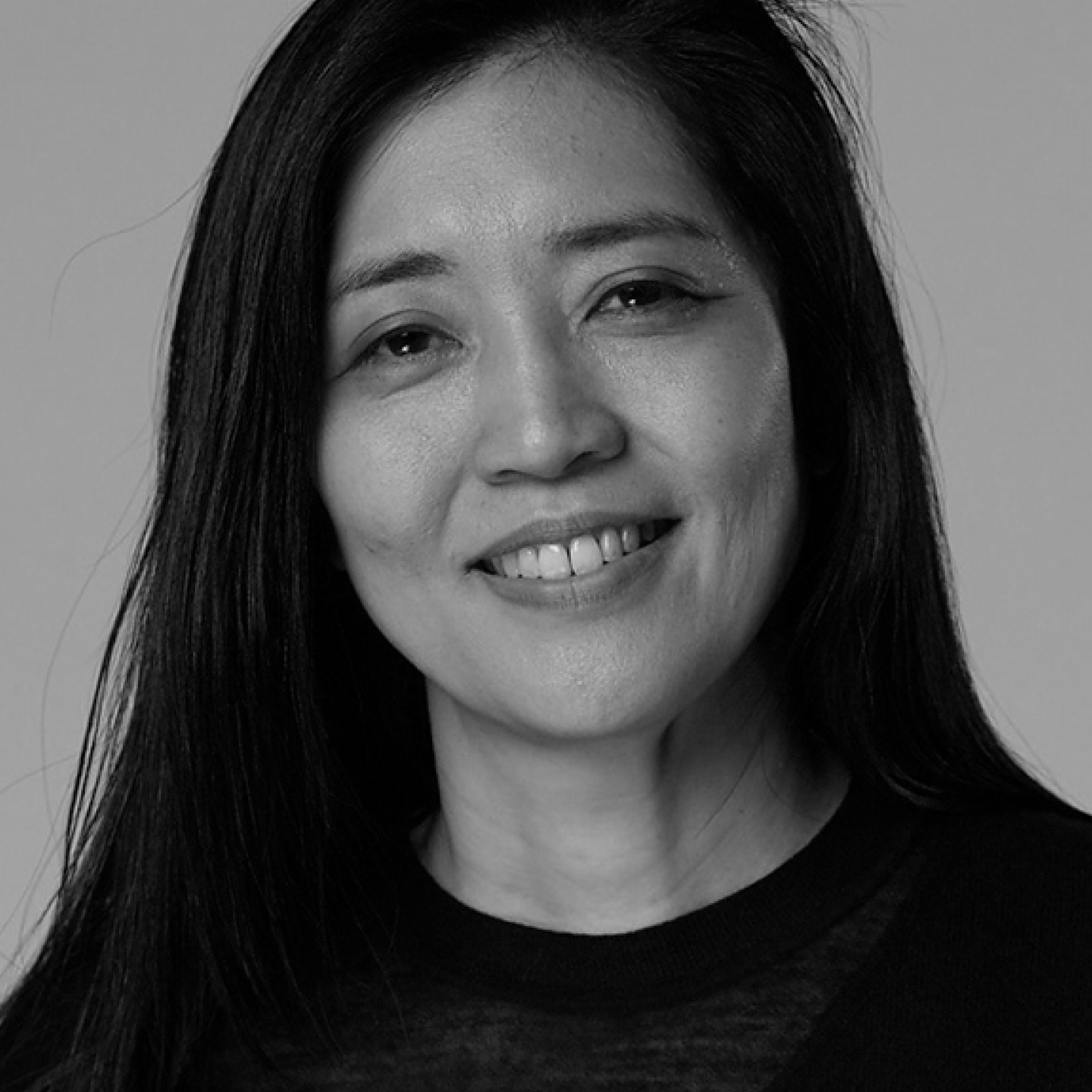
Even as Catch as Catch Can makes its Chicago premiere at Steppenwolf Theatre, she has mostly resisted the urge to revisit the script. Aside from a few minor clarifications discovered during rehearsals, the play remains largely unchanged.
"Definitely letting the play be," Chung says. "There were a few things... where I realized, oh, I should actually change, you know, to clarify. So adding a few words or changing a few words here or there. But overall, it's basically the same as it has been."
That willingness to let go comes the way Chung thinks about theater itself. A script may begin on the page, but once actors and audiences enter the picture, it becomes something else entirely.
Every Night It's Alive
When asked what defines a Mia Chung play, she pauses before answering.
"I think all of my plays really are theatrical," she says. "In other words, they are best done as live performance."
Her appreciation for theater's unique nature began in college, when a campus theater job allowed her to watch the same production night after night. Instead of seeing repetition, she discovered something different.
"Its real essence is that it's a living thing. Every night it's alive."
That idea continues to shape how she thinks about theater today. For Chung, a performance never unfolds exactly the same way twice.
"It depends on who's in the audience. It depends on how your scene partners are doing, what kind of day you guys had. Did you have a good night's sleep?" she says. "Just like life, it is affected by all of these factors. So every night is potentially different."
Actors continue discovering new dimensions in their roles. Audiences bring their own energy into the room. The same script can reveal something different with each successive performance.
It's one of the reasons Chung remains so drawn to the stage. Theater is alive because it changes.
The Question That Led to Catch as Catch Can
The origins of Catch as Catch Can can be traced back to a commission at New York's LAByrinth Theater Company. Chung was asked to interview two actors and write a one-act play inspired by those conversations.
The interviews covered a wide range of topics, and the actors spoke openly about their lives. Then Chung asked about their mothers.
"Each of them almost verbatim said the same thing, which is, 'Yeah, ma, she's tough.'"
The response lingered with her.
Driving back to Providence through a snowstorm after the interviews, an idea suddenly arrived.
"I thought they wouldn't talk about their mothers. I'm going to make them play their mothers."
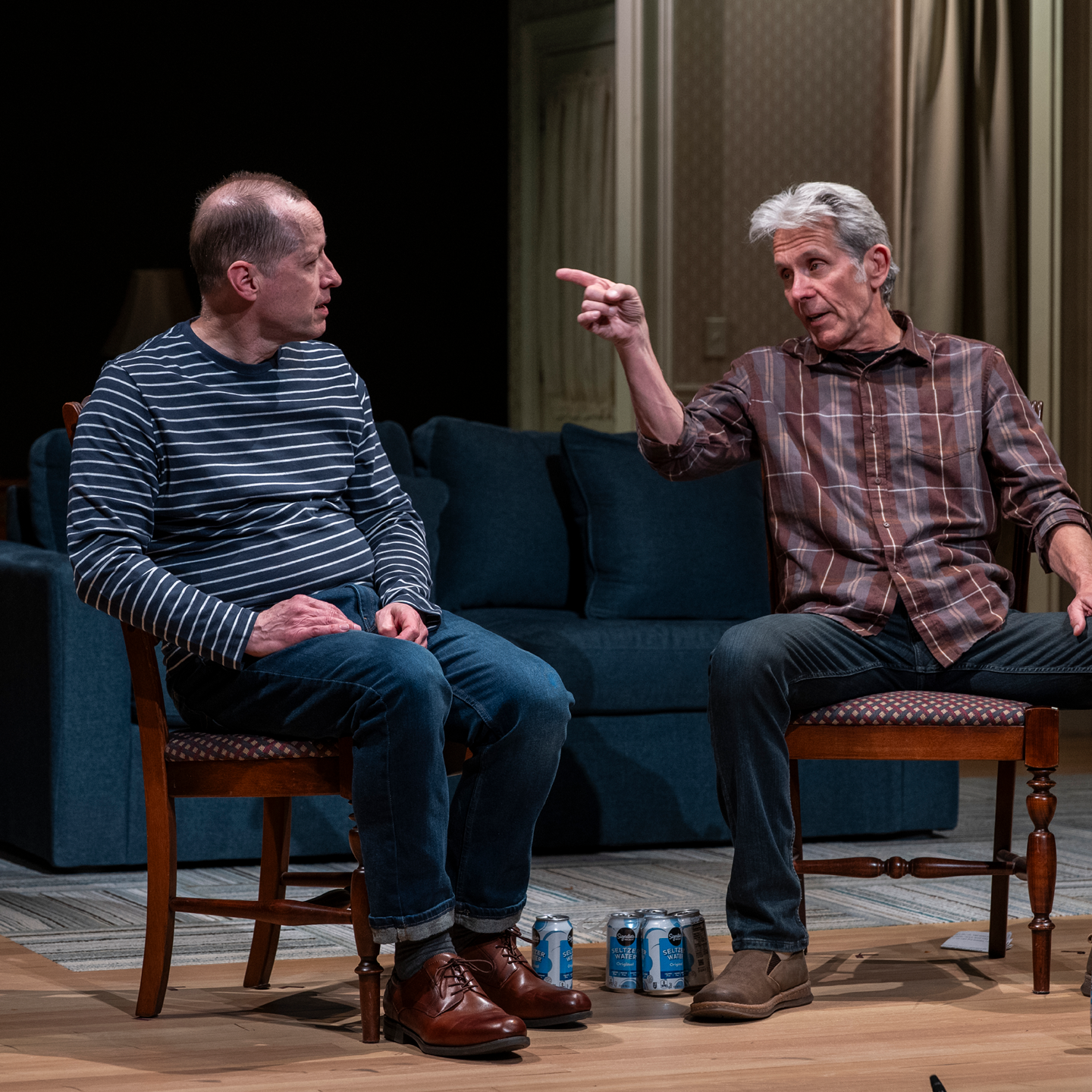
That instinct became the foundation of the play's unusual structure, which asks actors to cross gender and generational boundaries as they move between roles. While the characters were never meant to be direct portraits of the actors' real mothers, Chung believed something personal would inevitably emerge.
"Because that's what you draw," she explains. "You draw what you know."
Trusting the Unconscious
That same willingness to follow instinct shapes Chung's writing process.
Rather than beginning with a clear thesis or message, she often starts with fragments: a character, an image, a line of dialogue. She follows them without always knowing where they will lead.
"The unconscious is trying to express itself," she says. Sometimes that means embracing ideas that initially seem strange or difficult to explain.
"When something is kind of random and bizarre and raises questions, like why did I put a frog in this scene, and why is this frog talking? That's when you lean in and think, okay, there's something there."
Instead of forcing immediate answers, Chung allows those moments to develop on their own terms. "Your rational, cognitive brain has to relax enough so that it can allow other shapes and other ideas to speak."
For her, meaning often emerges later.
Questions Instead of Answers
Although Chung's plays often leave room for interpretation, she does not see them as unfinished. "I think that my plays always have some form, like an ending that feels like an ending," she says.
What she resists is the idea that a play should neatly solve every question it raises.
"Life is not a murder mystery," she pointed out. Instead, she views theater as an opportunity to explore people and situations more deeply. "It's more about opening ourselves and our empathies towards questions or people or situations, opening rather than closing down on a single answer."
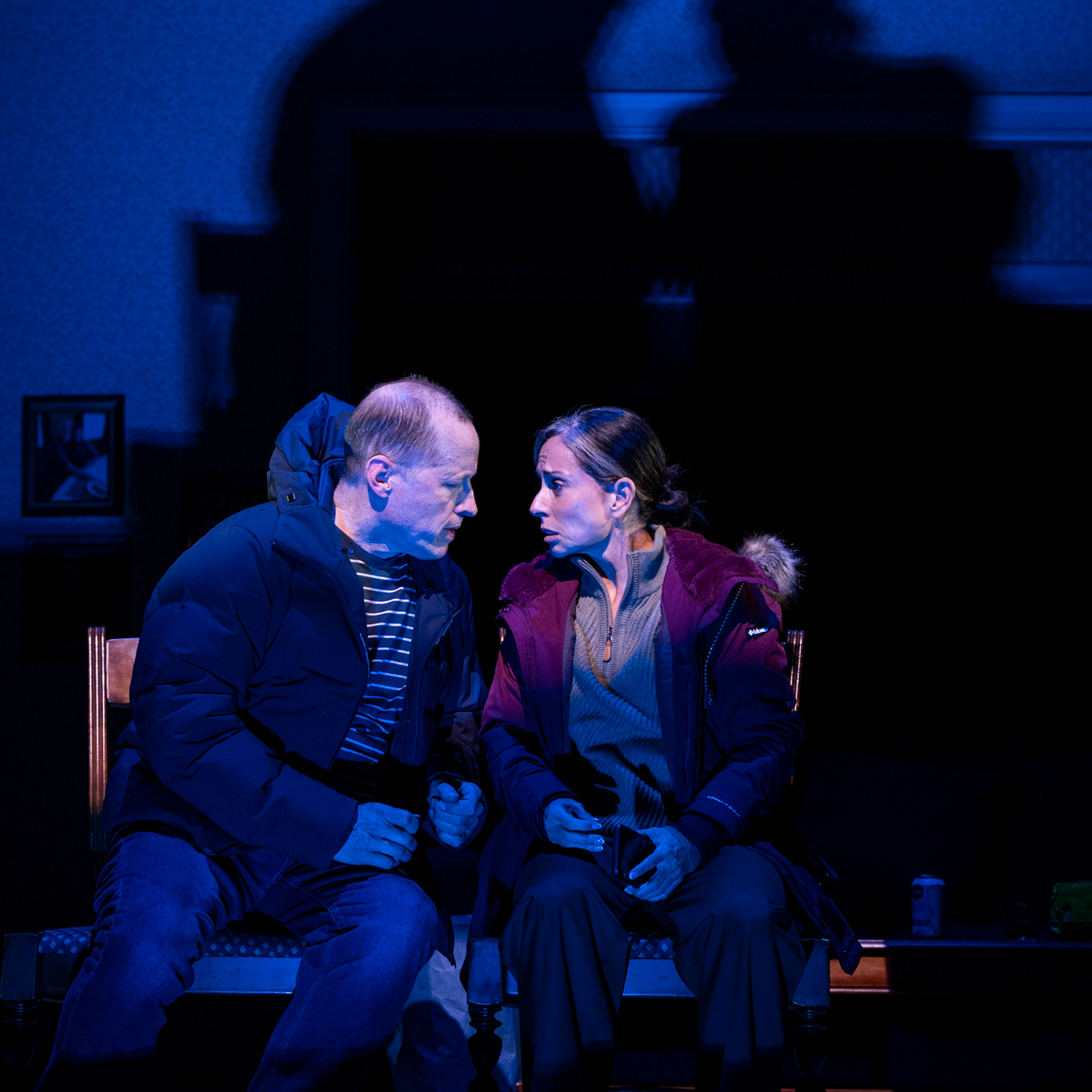
That sense of curiosity extends beyond her own writing. As an audience member, she is most excited by work that surprises her.
"I like when I come across a performance or a story or some kind of theatricality that is surprising and I don't know what to expect."
For Chung, surprise comes discovering new ways of seeing rather than confirming what we already know.
A Play Takes on a Life of Its Own
Writing may begin in solitude, but Chung believes a play ultimately belongs to everyone who helps bring it to life.
"It feels really, it's a deep satisfaction because, of course, I feel like something that I wrote is now walking around. It's now walking around the world of its own volition." Actors, directors, designers, and audiences all leave their mark on the work.
"It's now intermingled with other life forces. Each of the actors, the director, the designers, every person that put effort into it is part of the thing that's now walking around."
Now in its third production, Catch as Catch Can continues to evolve in ways Chung never could have predicted when she first imagined it during that snowy drive home.
"Each journey has been its own individual self," she says. For a playwright who believes theater is a living thing, that may be the greatest reward of all.
"That's why I love theater."
Catch as Catch Can is currently running in the Downstairs Theater at Steppenwolf Theatre until July 12, 2026. For performance schedules and tickets, visit steppenwolf.org or contact the box office.
For more exciting articles, keep in touch and stay connected by following us on our socials Facebook, Instagram, LinkedIn, and Tiktok and we’ll make sure you’re updated!
More from
Arts/Entertainment
category


%20-%20%20320x400%20(1).png)


%20-%20%20%20728x90%20(1).png)
