


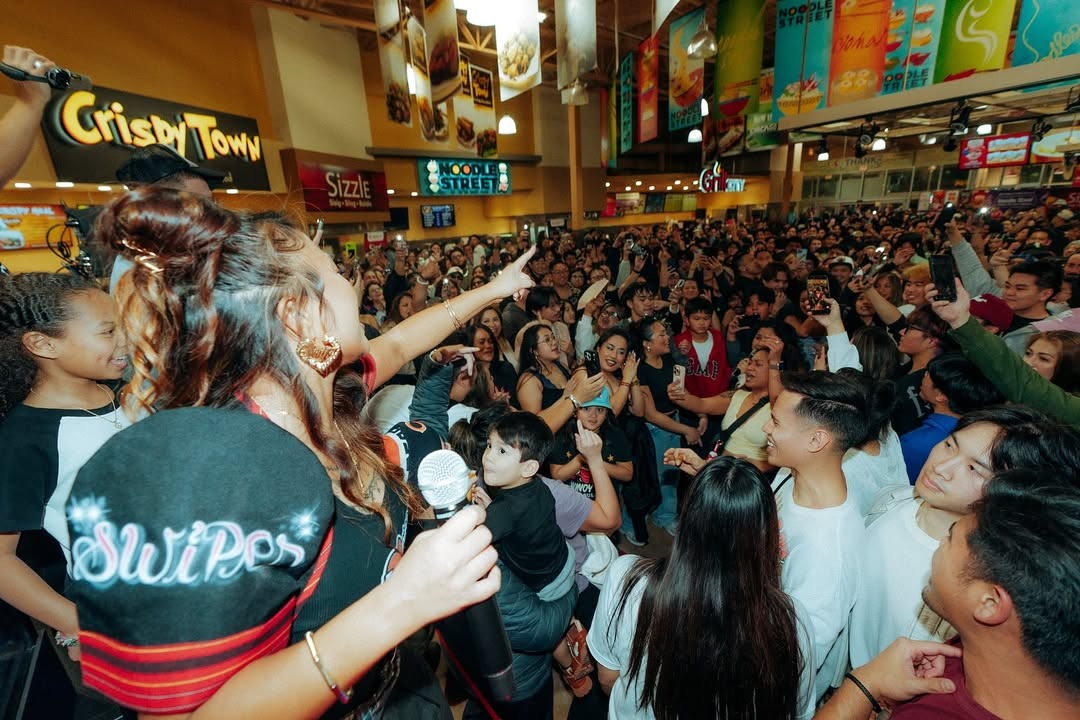
There is something surreal about hearing bass reverberate through the aisles of a grocery store. Not from passing headphones or a distant car stereo, but from within the space itself. Loud enough to shake the floors, bright enough to turn fluorescent lighting into something closer to a club glow.
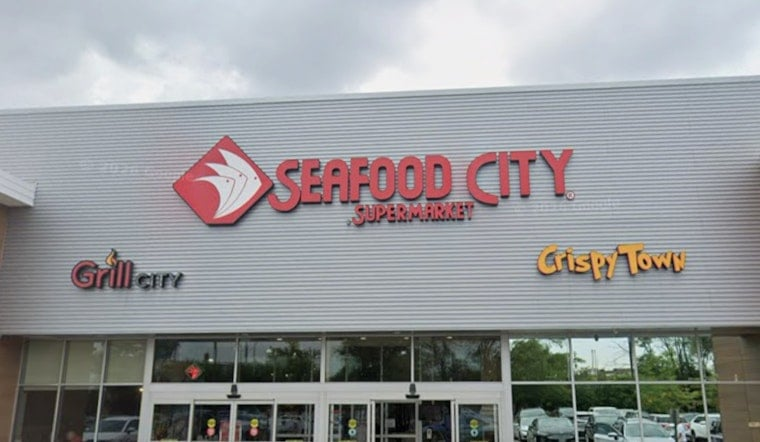
That was the reality inside Seafood City Supermarket in Chicago’s North Mayfair neighborhood earlier this month, where a place built for errands became, for a few hours, something else entirely.
On March 6 and 7, the Filipino grocery chain hosted “Late Night Madness,” a sold-out pop-up that kept its doors open until midnight. What unfolded was not just a dance party tucked between shelves of pantry staples, but a reimagining of what a community space can look like.
A New Rhythm for the Midnight Run
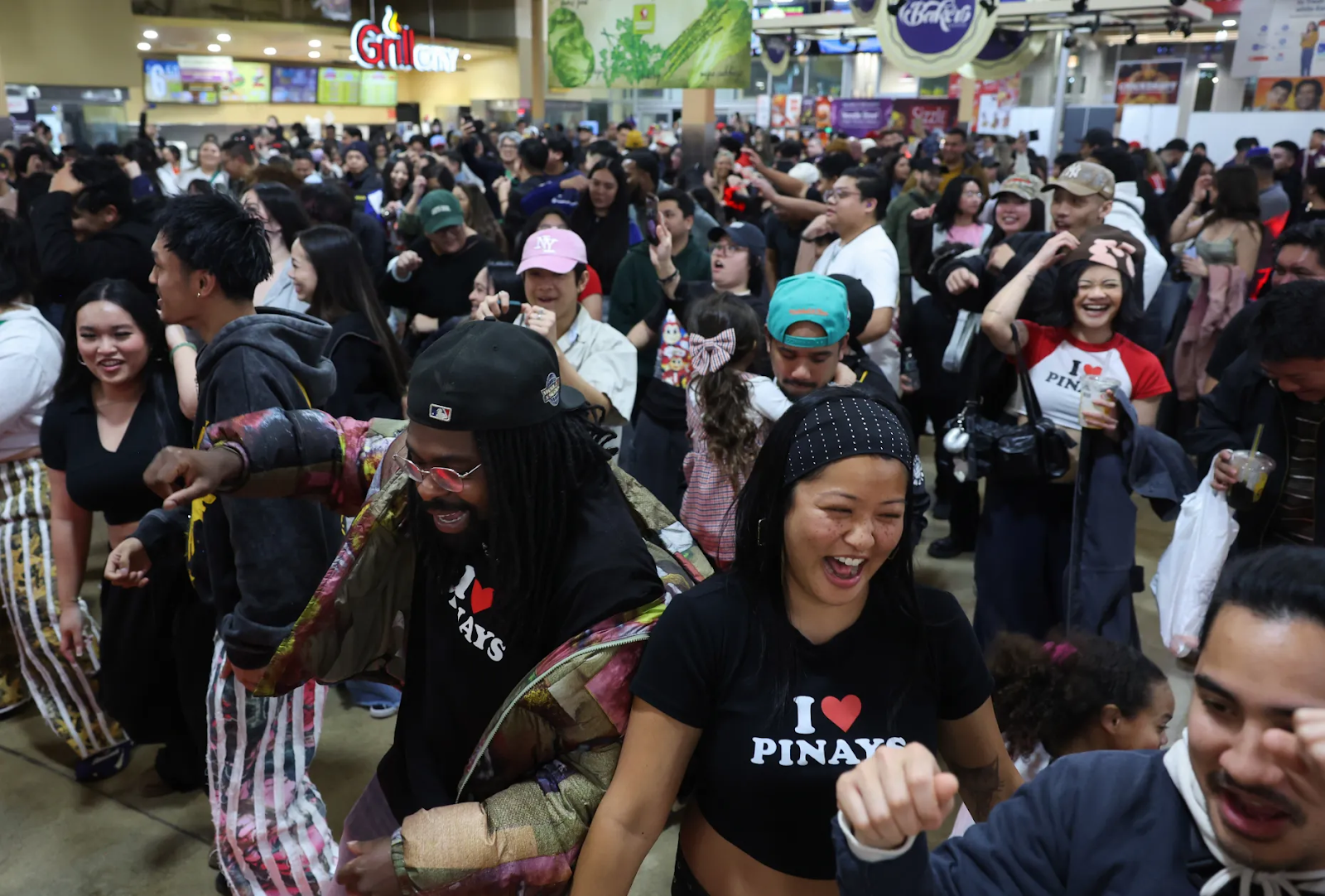
At first glance, the concept feels novel. A rave in a grocery store. A conga line passing the frozen fish section. Music echoing where announcements about daily specials would usually play. But the more you sit with it, the more it makes sense.
In a city like Chicago, where there is no clearly defined Filipino Town, community does not gather in one designated place. It gathers where it can. Over time, Seafood City has quietly become one of those places.
The numbers alone tell part of the story. Around 3,400 people showed up across two nights, according to Chicago Today. Tickets were free, but not easy to secure. They were claimed quickly through the store’s SFC+ app, a sign that the demand was already there, waiting for an outlet.
Inside, the energy felt layered. It was a party, but it was also something softer and more familiar. Families moved through the aisles together. Kids danced without hesitation. Older attendees watched, smiled, and occasionally joined in. There was no barrier to entry, no expectation to perform a certain kind of nightlife identity. It was simply a space to show up as you are.
The Accessibility of Cultural Connection
That accessibility is part of what made the night work. By keeping the event alcohol-free and rooted in a place people already recognize, “Late Night Madness” created an environment that felt open rather than exclusive. It invited participation instead of observation.
Music carried the night forward. DJs blended mainstream tracks with nostalgic Original Pilipino Music (OPM), creating a rhythm that moved easily between generations. One moment felt like a familiar club set, the next like a gathering back home.
"It’s like walking into the Philippines," DJ Mikey Jucaban shared, capturing the immersive and nostalgic energy of the room. Event organizer Mikayla "Swiper" Delson echoed that sentiment, explaining, "Filipinos love the party. So giving a reason for them to party, it's just amazing."
The idea itself started on the West Coast, first taking shape in Daly City, California, before gaining traction online. Since then, it has traveled to cities like Los Angeles and Toronto, carried by the same mix of curiosity and cultural connection. But in Chicago, the concept seems to land differently.
Building Identity Beyond Geographic Boundaries
Without a formal district to point to, Filipino identity in the city often exists in fragments. Restaurants are scattered across neighborhoods. Events come and go. Communities gather, but do not always have a permanent home. Spaces like Seafood City begin to fill that gap, not by design, but by use. For one weekend, that role became more visible. The store was no longer just a place to buy groceries. It became a site of memory, movement, and shared experience. Something as ordinary as an errand stop turned into something intentional.
And maybe that is what makes “Late Night Madness” resonate. Not just the novelty of dancing in a supermarket, but the reminder that community does not always wait for the perfect space to exist. Sometimes, it builds within what is already there.
With plans to bring the event back every three weeks, Seafood City is stepping into that role more fully. Not just as a marketplace, but as a gathering place. One where culture is not only preserved, but lived out loud, well past closing time.
For more exciting articles, keep in touch and stay connected by following us on our socials Facebook, Instagram, LinkedIn, and Tiktok and we’ll make sure you’re updated!
References:
Marquez, J. (2026, March 9). North Mayfair grocery aisles explode into sold-out midnight dance party. Hoodline. https://hoodline.com/2026/03/north-mayfair-grocery-aisles-explode-into-sold-out-midnight-dance-party/
Seafood City Chicago dance party. (2026, March 9). Chicago Tribune. https://www.chicagotribune.com/2026/03/09/seafood-city-chicago-dance-party/
Seafood City supermarket in Chicago hosts viral late-night dance party. (2026, March 9). Chicago Today. https://nationaltoday.com/us/il/chicago/news/2026/03/09/seafood-city-supermarket-in-chicago-hosts-viral-late-night-dance-party/
More from
Community
category


%20-%20%20320x400%20(1).png)


%20-%20%20%20728x90%20(1).png)
