


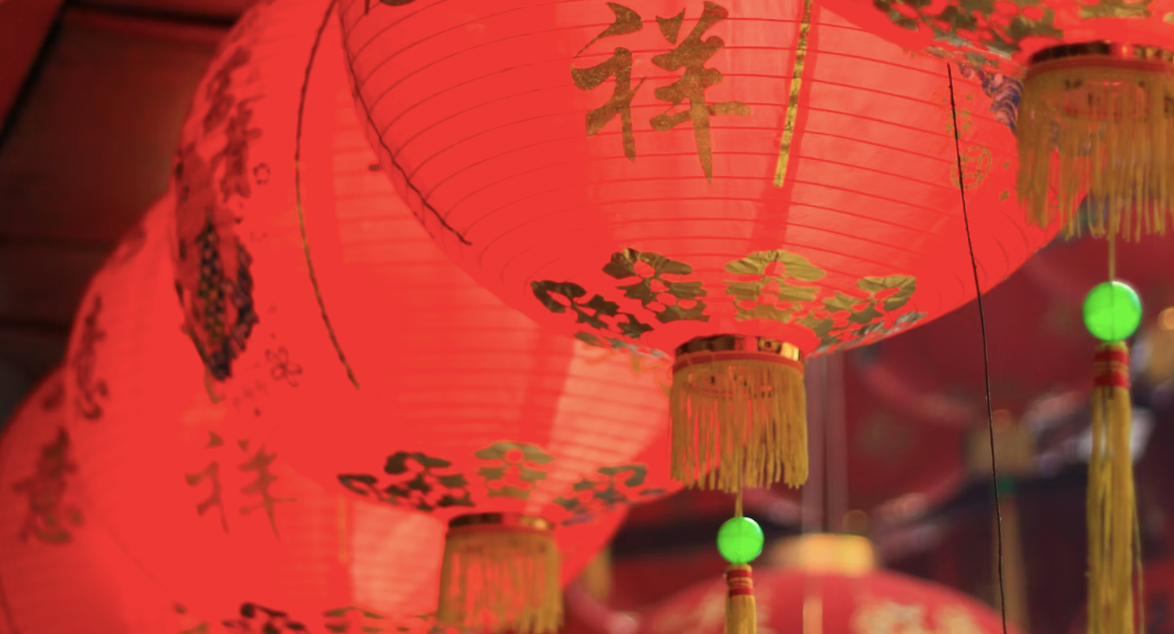
Far more than just a regular Chicago Neighborhood, Chicago’s Chinatown is collectively a thriving tale of resilience, community, and adaptation that spans more than a century. From its humble origins as a haven for Chinese immigrants, the area that is now known as Chicago’s Chinatown is a testament to the unyielding ingenuity of Chinese-Americans in the Midwest.
From Chopsticks to Community
In the late 1800s, Chinese immigrants started to come to Chicago, and most had come from the transcontinental railroad or the opportunities in the city. The first Chinese settlement started near Clark Street and Van Buren Street downtown Chicago. Living as a Chinese immigrant in the late 1800s was tough due to discrimination and Chinese Exclusion Acts.
To survive, they relied on one another. Laundries, stores, and small food establishments are not just businesses; they are lifelines. During these early periods, Chinatown was not a tourist attraction; it was a refuge. There was a strong feeling of belonging to a community where there was a common culture and common tongue. One need not learn to adapt rapidly to Western culture since the sense of belonging is prevalent by having been surrounded by people of the same background.
The increasing rents and the need to shift from the downtown area led to the acquisition of new land in Armour Square, which is characterized by Wentworth Avenue and Cermak Road. The acquisition of this new land was strategic to the growth and development of the Chinese population in the United States. For the first time, the Chinese in the US had the opportunity to set up homes and other establishments without worrying about space. The Chinese community in Chicago had room to grow and develop, and therefore, establish their own identity.
That added beauty and the changes of landmarks, such as the Pui Tak Center in 1928 and the Chinatown Gate, signified a permanent mark. More recently, the Chinese American Museum of Chicago has taken pains to preserve stories of immigration, labor, and community resilience, keeping the neighborhood's past ever present and vital.
The Chinatown of Today
The modern Chinatown is a balance between the traditional and the contemporary. Just walk along Wentworth Avenue and see the abundance of dim sum houses, bubble tea restaurants, bakeries, and herbal medicine stores juxtaposed with the modern stores and service-based businesses. With the streets alive with the activity of residents and tourists, the Chinatown meets the needs of the community yet also shares with the broader urban region.
Chinatown is, in effect, no longer just a place where you live, but also a place that you visit. Celebrations including the Lunar New Year and the Dragon Boat Races bring music, color, and zeal to the streets. Infrastructure such as Ping Tom Memorial Park, which started off as an…
Read the full article in The Editor’s Cut: Lunar New Year Issue 2! - This FREE PDF GUIDE features a roundup of LNY events happening around Chicago, ways to attract luck in the Year of the Horse, a 'Then vs. Now' look at Chicago's Chinatown, and, of course, your zodiac fortune.
For more exciting articles, keep in touch and stay connected by following us on our socials Facebook, Instagram, LinkedIn, and Tiktok and we’ll make sure you’re updated!
More from
Community
category


%20-%20%20320x400%20(1).png)


%20-%20%20%20728x90%20(1).png)
