


We wanted to save the best for last to cap off the Asian Pacific American Heritage Month. While the month of May has officially come to a close, the work of building stronger communities continues every day.

Across Chicago and Illinois, a new generation of women leaders is helping shape that future. They are advocating for immigrants, empowering underrepresented communities, expanding civic participation, and challenging systems that were not designed with their communities in mind.
We spoke with Amanda Hwu of the Illinois Community Power Fund, Vân Huynh of the Vietnamese Association of Illinois, Danae Kovac of HANA Center, Amina Barhumi of the Muslim Civic Coalition, and Rhea Yap of the Chinese Mutual Aid Association. Together, their stories reveal not only how they arrived at leadership, but also what they believe it takes to build lasting change.
More importantly, they reveal a shared belief: communities are strongest when ordinary people recognize their own power and invest in one another.
Part 1: The Spark
Long before they became executive directors, these women were community members first.
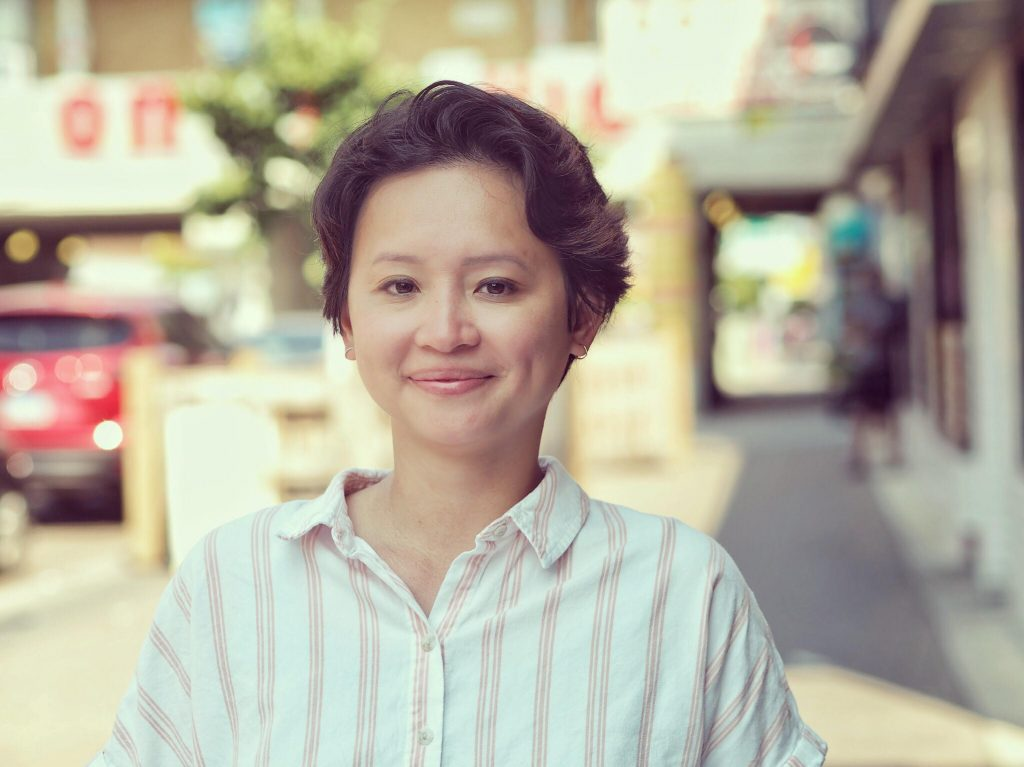
For Vân Huynh, leadership began as a child accompanying her mother to appointments, translating conversations, and helping navigate systems that were often difficult to access. Looking back, she describes herself as a "reluctant leader."
"I was that kid that my mom dragged around everywhere," she recalls. Those early experiences, while challenging, taught her how to advocate for herself and others long before she ever considered a career in community work.
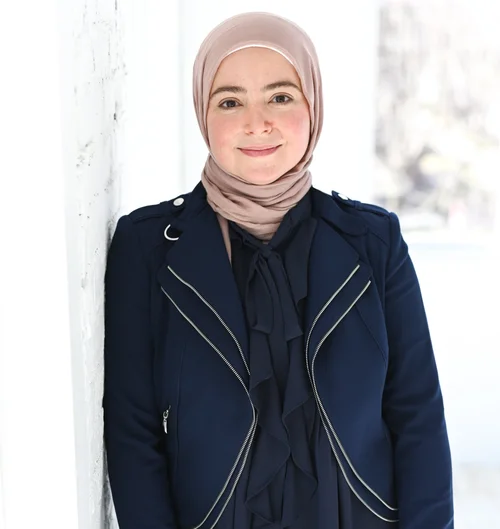
Amina Barhumi's story began in Beirut during the 1982 occupation. As an immigrant and survivor of war, she grew up watching others define and describe Muslim communities from the outside. "I found myself wanting very much to be part of the storytelling narrative of whom we were, who we are as a Muslim community, as an Asian community" she says.
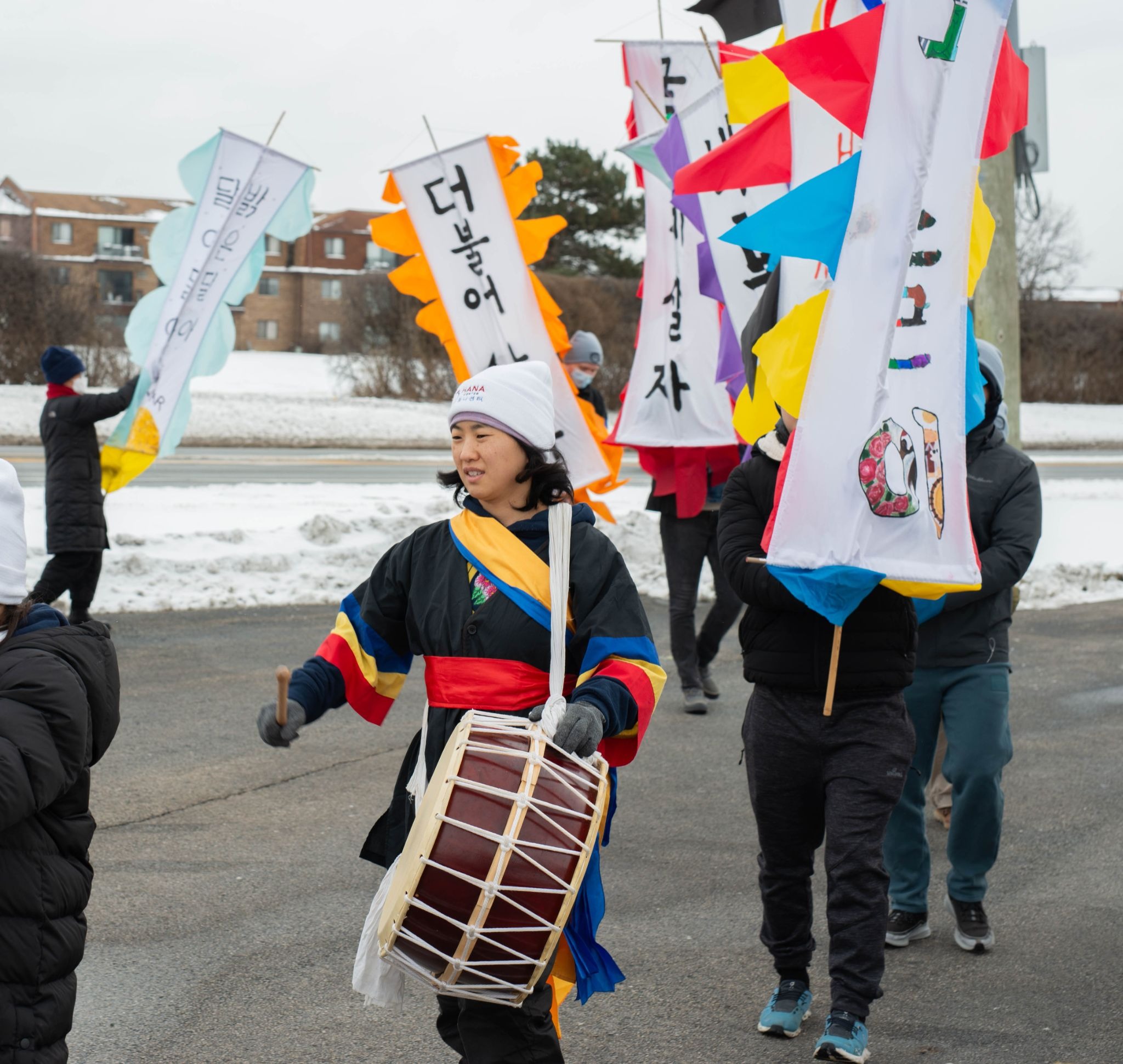
For Danae Kovac, the turning point came through a deeper understanding of her own identity. As a Korean adoptee raised in a white family, she initially viewed immigration and social justice as separate conversations. Learning about Korean adoptee Adam Crapser, who faced deportation because he lacked U.S. citizenship, changed that perspective entirely. "That could have been me," she remembers thinking.
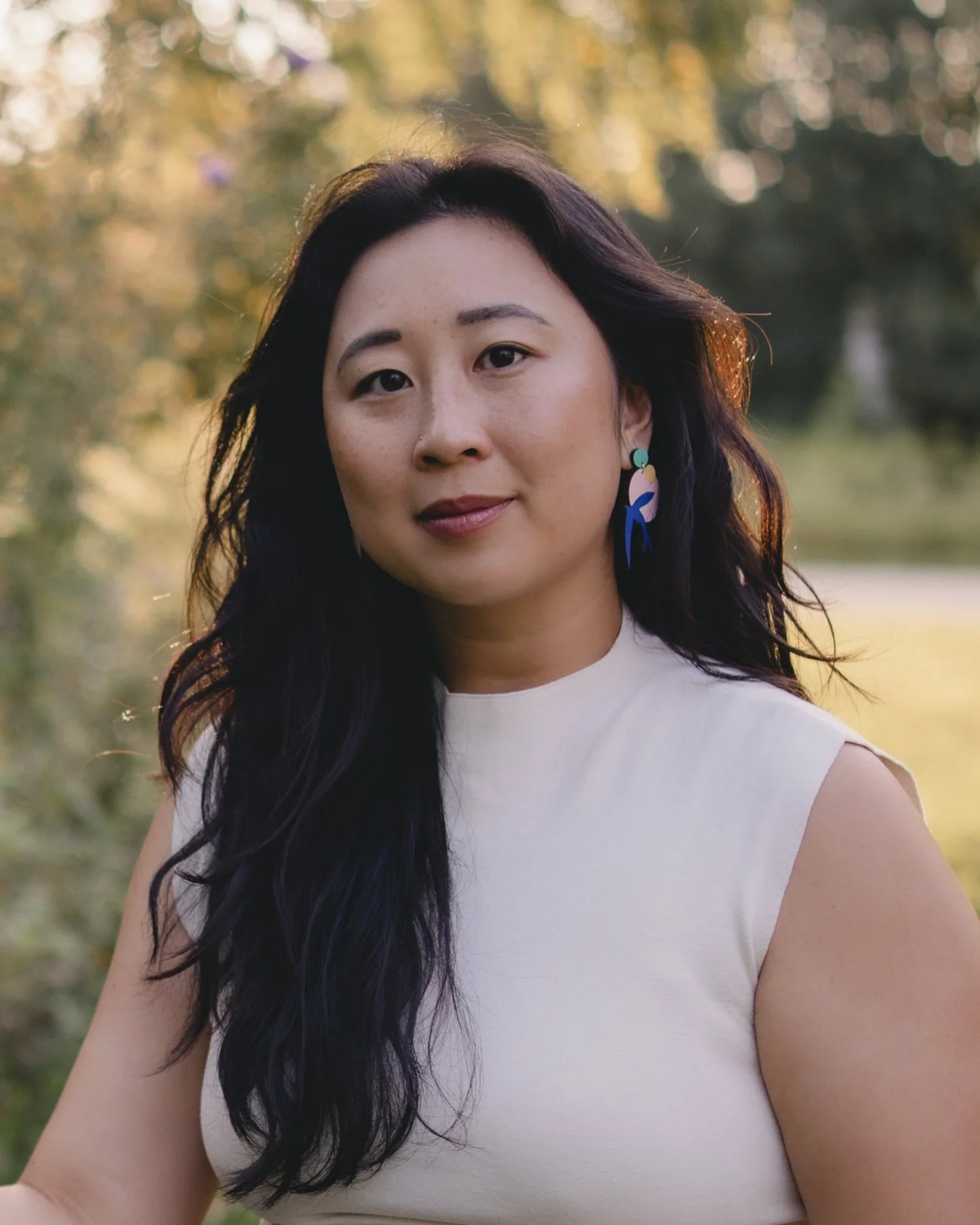
Amanda Hwu discovered her path through local organizing in Champaign-Urbana. What stayed with her was not simply learning about an issue, but learning what collective action could accomplish. "They taught me that I have power," she says. "They taught me to relate to my power."
As their careers evolved, so did their understanding of leadership. What began as service gradually became something bigger. Each woman described moving beyond the idea that community organizations exist only to provide assistance. Instead, they came to see leadership as helping communities build power, participate in decision-making, and shape the systems that affect their lives.
For Hwu, that realization can be summed up in a single belief: "Leadership is a practice, not a role."
That work is not easy. It requires patience, resilience, and faith in a future that can sometimes feel distant.
Huynh admits that many people enter community work fueled by anger at injustice, but eventually learn that anger alone cannot sustain a movement. "Unless people come along with you, it doesn't matter if you're right," she says.
For Barhumi, faith provides grounding and perspective. "We're stewards on this earth," she explains. "We're stewards to work towards justice."
Kovac describes her motivation more simply. Despite the challenges, she continues to operate from what she calls a place of "relentless hope."
Together, their stories share a common thread. Each inherited lessons, sacrifices, and opportunities from those who came before them. Now, they are working to pass those gifts forward.
Part 2: Reimagining Community Work
The communities these organizations serve are constantly evolving, and so are the organizations themselves.
As immigrant populations shift and grow, leaders are finding new ways to honor their histories while embracing changing realities. Organizations that once served a single community are increasingly building connections across cultures, generations, and neighborhoods.
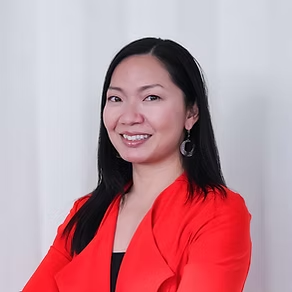
For Rhea Yap, that evolution has helped the Chinese Mutual Aid Association become more intentionally Pan-Asian while remaining rooted in its history. For Huynh, it means creating space for multiple generations of Vietnamese Americans and immigrants to see themselves reflected in the same community story.
At the heart of that work is a shared philosophy: the people closest to a problem are often closest to the solution. "We are the ones that have the solutions to the problems we're trying to solve, and we're not waiting for someone to come in and save us," Kovac says. That belief extends to how these leaders think about nonprofit work itself.
For decades, community organizations have often been expected to operate with limited resources while relying on the passion and sacrifice of their staff. Several leaders challenged the idea that burnout should simply be accepted as part of the job.

"I think that that's not a sustainable system," Huynh says, reflecting on expectations that nonprofit workers should accept low pay, long hours, and chronic exhaustion in exchange for meaningful work.
Barhumi agrees that sustainability requires a different mindset. "Because the world is on fire and we have to be on the front lines of the work, we're required to take care of ourselves," she says. "We can't give what we don't have."
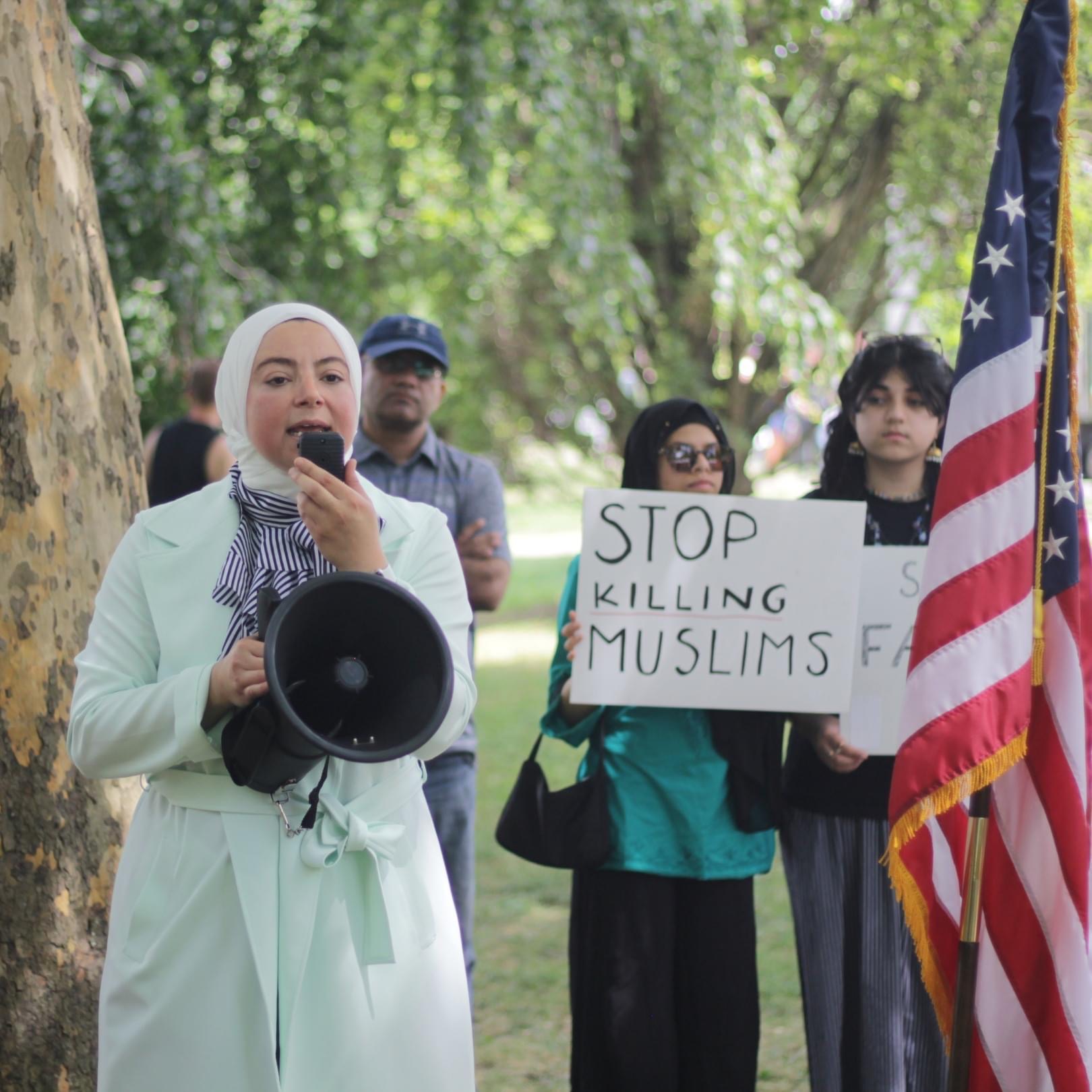
That commitment to sustainability also extends beyond individual organizations. Rather than competing for resources, many leaders spoke about the importance of collaboration, information-sharing, and mutual support. "It's not a zero-sum game," Barhumi says. "We're not in competition with one another."
At the same time, misconceptions about the communities they serve continue to persist.
Kovac points to the ongoing impact of stereotypes such as the model minority myth and the perception of Asian Americans as perpetual outsiders. Barhumi highlights the diversity of Muslim communities that are too often treated as monolithic. Yap hopes people better understand the determination of immigrants who are eager to participate fully in American society despite language barriers and other challenges.
For Hwu, one of the biggest misconceptions is geographic. Too often, conversations about Illinois begin and end with Chicago, overlooking the diversity and complexity of communities throughout the state.
Yet despite these challenges, all five leaders remain focused on what is possible when communities are empowered to shape their own futures.
Part 3: The Future They're Building
Ask these leaders about the future, and the conversation quickly moves beyond organizational growth.
Certainly, there are concrete goals. Hwu hopes to move millions of dollars annually to organizing groups across Illinois. HANA Center and CMAA are expanding their reach into suburban communities. The Muslim Civic Coalition is strengthening its internal systems while elevating community storytelling.
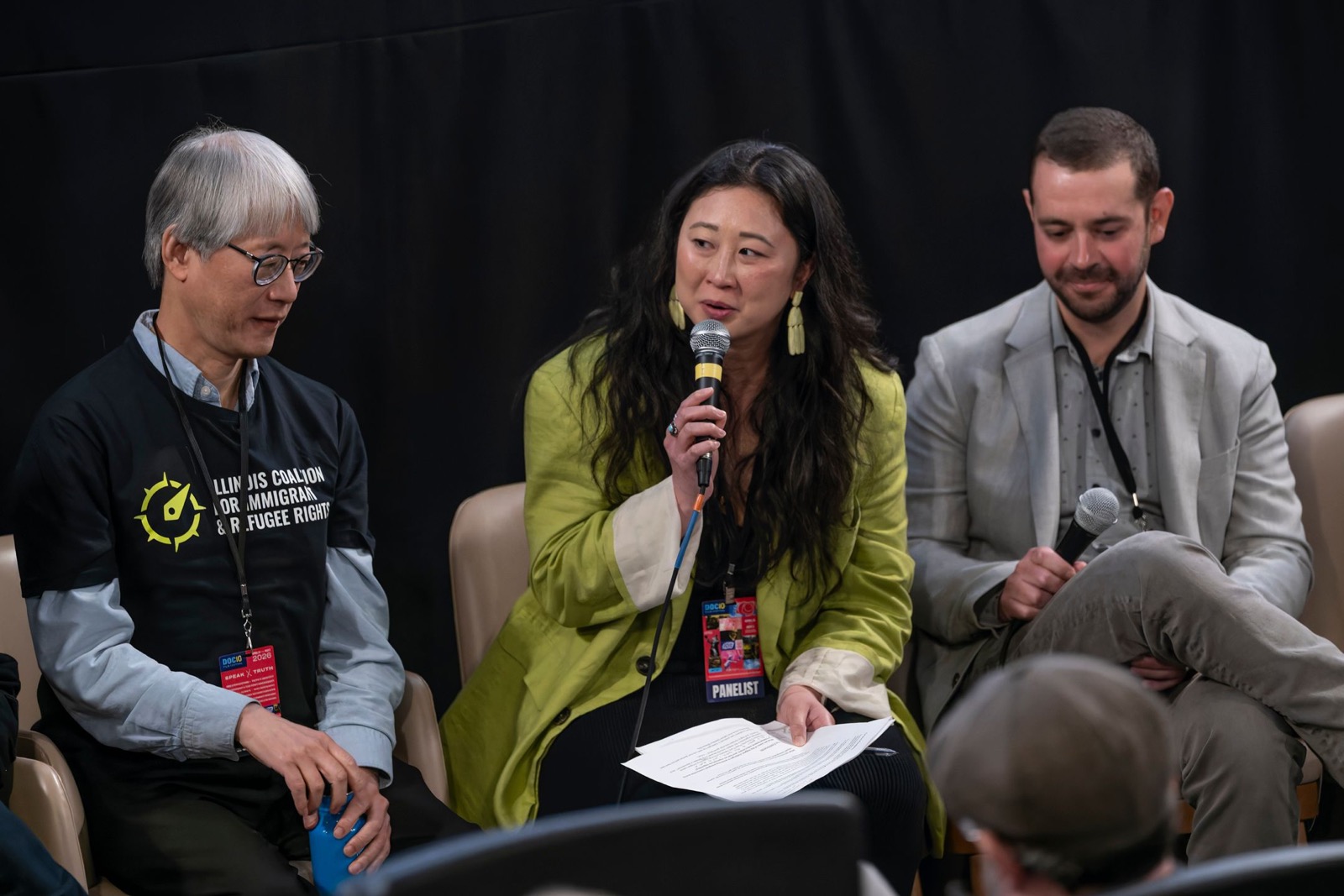
But beneath those goals lies something bigger.
Each leader described a future where more people are engaged in civic life, where communities have greater influence over the decisions that affect them, and where belonging is not something people have to fight for.
"My dream is for our democracy to be treated as an ongoing project that is owned by everyday people," Hwu says.
.jpg)
Barhumi envisions a Chicago where residents can live, work, learn, and participate in public life free from discrimination and hate. Kovac hopes to build a powerful and inclusive Korean American community that spans generations and experiences. Yap believes communities must rediscover the power of mutual aid and collective giving. "We have the power amongst ourselves," Yap says. "We just have to open our eyes and start giving."
What united their answers most, however, was an idea that may seem surprising at first.
Success is not measured by how large their organizations become.
In many ways, it is measured by whether their organizations become less necessary.
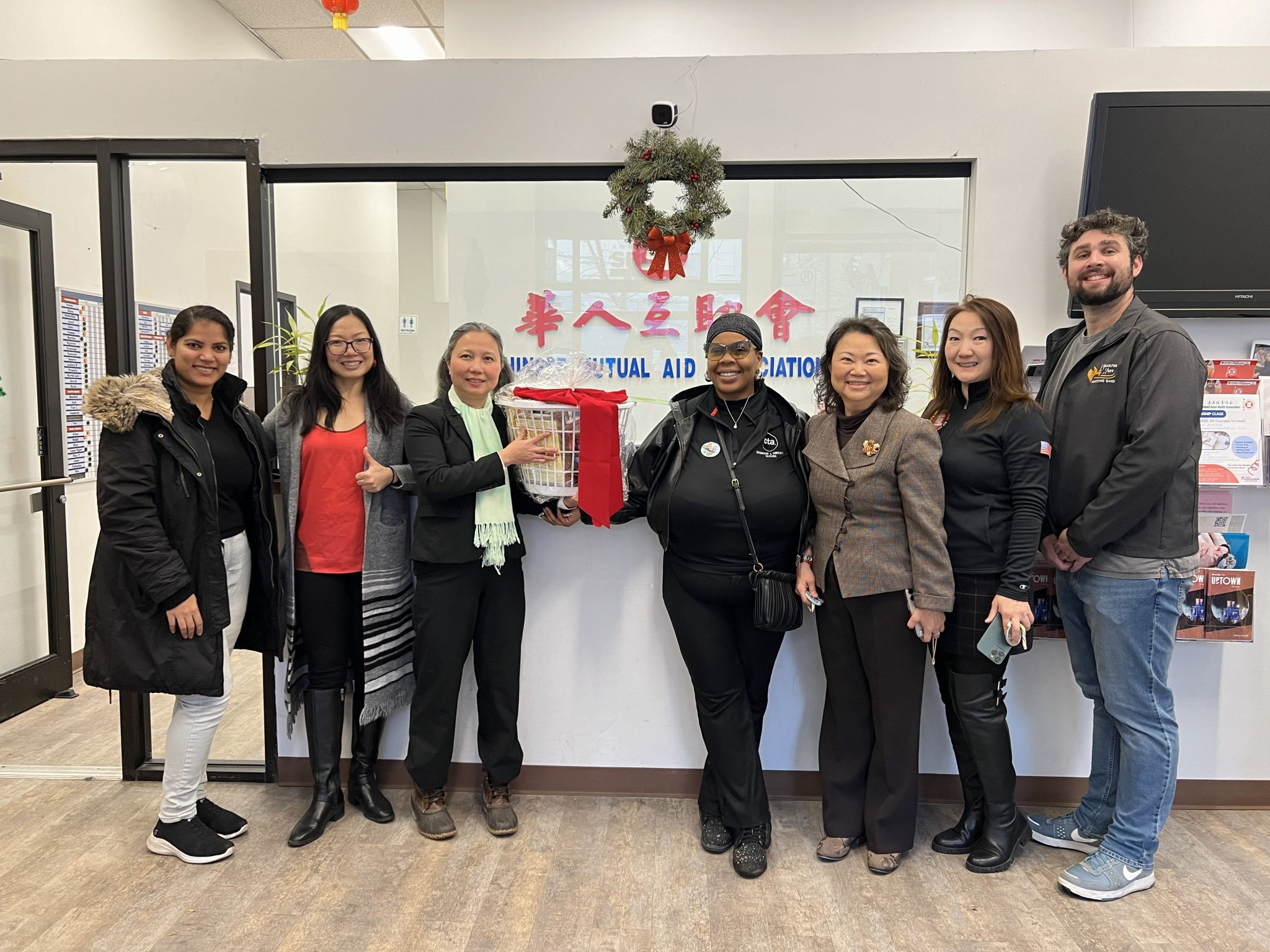
Photo Courtesy of CMAA Linkedin
"Perhaps our nonprofits can shrink because our society is more functional versus dysfunctional," Yap reflects. "The reason nonprofits exist is because people are falling through the cracks."
Barhumi shares a similar vision. Asked what success ultimately looks like, she imagines a future where advocacy organizations no longer need to fight for basic rights and protections because those rights are already guaranteed.
Ultimately, the goal is not institutional permanence. It is lasting impact.
Like the generations that came before them, these leaders are investing in a future they may never fully see. They are mentoring new leaders, building stronger communities, and creating pathways for others to carry the work forward.
Asian Pacific American Heritage Month may be over, but the work these leaders champion continues long after the festivities end.
Their vision is not simply to build stronger organizations. It is to help build stronger communities. Communities where more people feel they belong, where more voices are heard, and where more families can thrive without having to fight for the opportunities they deserve.
If that future becomes reality, their greatest achievement will not be the organizations they built, but the communities they leave behind.
Their goal is not to build institutions that last forever. It is to help build communities so strong that they can stand on their own.
For more exciting articles, keep in touch and stay connected by following us on our socials Facebook, Instagram, LinkedIn, and Tiktok and we’ll make sure you’re updated!
More from
Community
category


%20-%20%20320x400%20(1).png)


%20-%20%20%20728x90%20(1).png)
