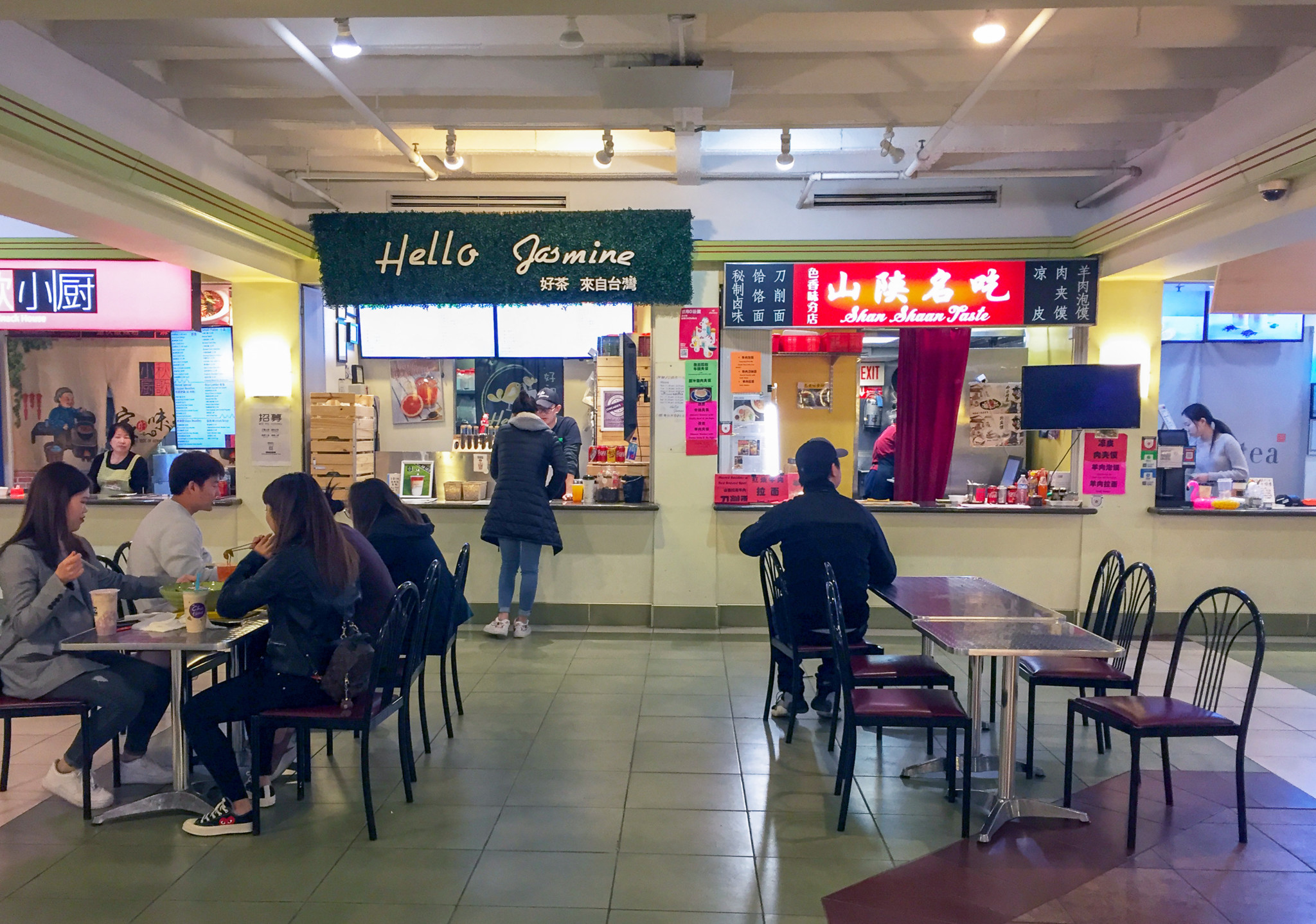
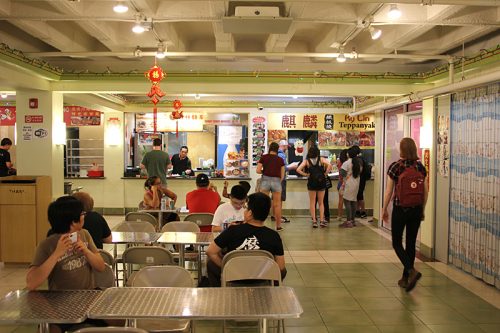
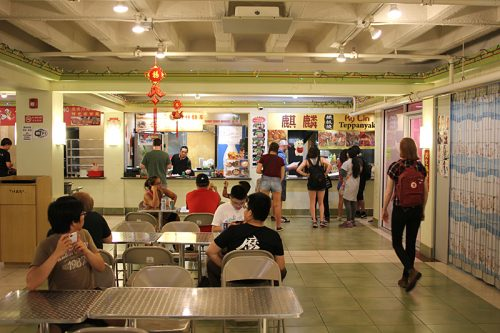
On any given day, the Richland Center food court is much more than a place to grab a quick lunch. Students gather around small tables between classes, while families and friends share meals from different regions and traditions. New visitors wander through the bustling narrow aisles, discovering dishes and regional specialties they may not have encountered before. For many in Chicago's Asian community, Richland has become a source of familiarity and belonging. That is why recent news regarding the future of this underground food hall is resonating far beyond typical real estate concerns.
What is happening here reflects a broader conversation many Asian communities across America are having about preservation, growth, and what modern development should look like.
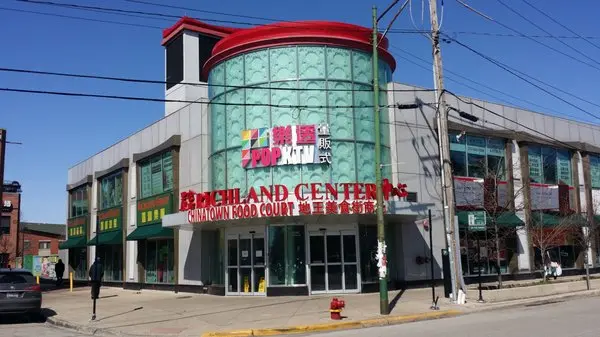
The Reality of Rising Costs
The heart of the current concern is a series of significant rent increases proposed by the property owners, the Heung Seng Corporation. Starting last summer, staff informed tenants that upcoming lease renewals would nearly double in price. For a standard single stall, the monthly rent is set to jump from $1,800 to $3,000. For vendors occupying double or triple wide spaces, the financial impact could be even greater. This $1,200 base increase presents a substantial challenge for small family operations. The proposed increases raise concerns that longtime tenants may struggle to remain and that the atmosphere many visitors associate with Richland could change significantly.
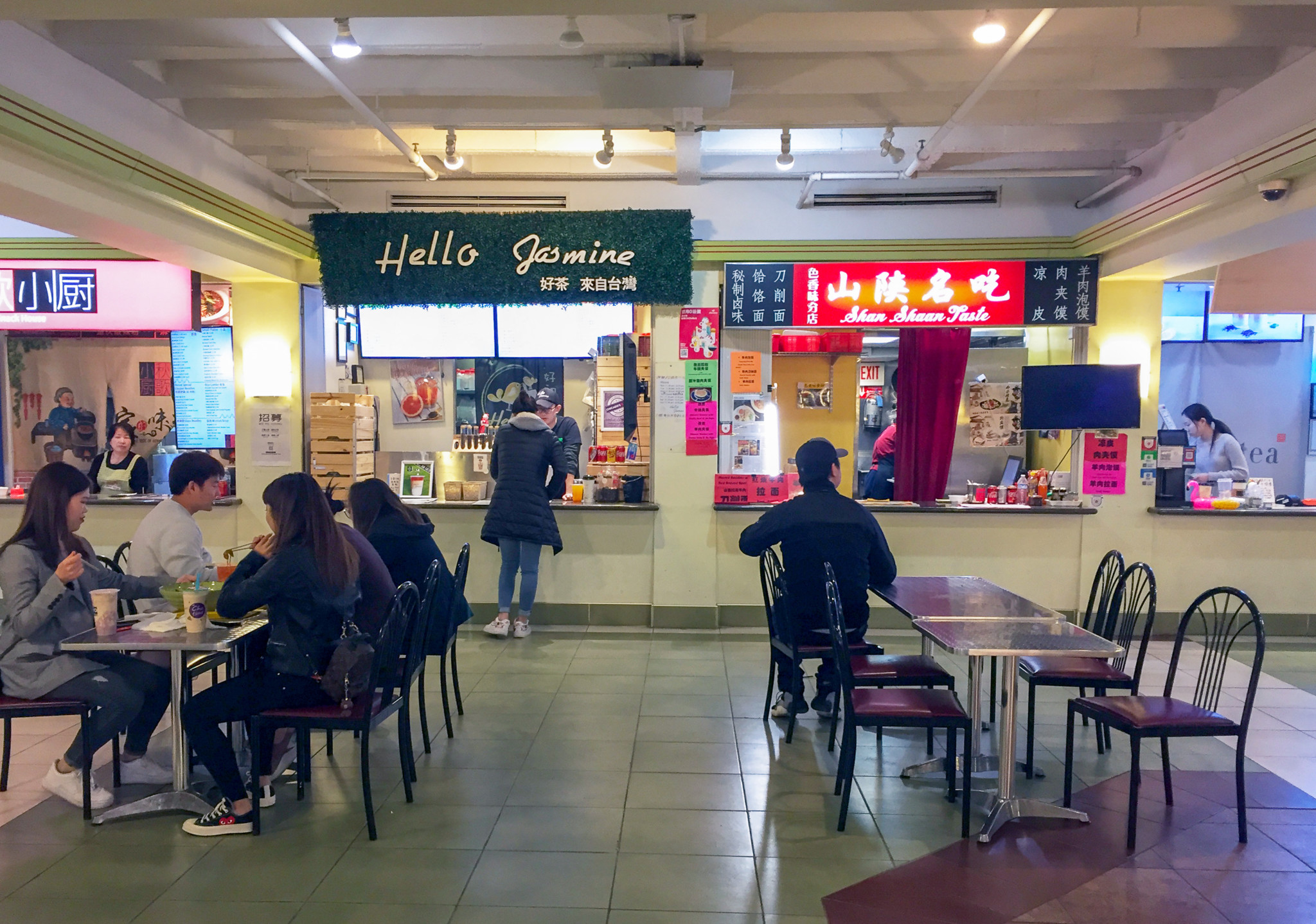
A Hub of Discovery and Community
Losing these businesses would mean losing a significant cultural anchor. Tucked beneath the neighborhood's busy streets, the Richland Center has long served as a lively hub for small vendors representing a wide range of Asian cultures. Over the years, it also became a vital launching pad for food entrepreneurs. Several beloved culinary names started in these very stalls before expanding into larger brick and mortar spaces. This makes the food court not only a popular dining destination but an accessible incubator for small Asian businesses. For both locals and visitors, the space offers an ongoing experience of discovery, connection, and shared heritage.
A Wider Pathway Forward
While the immediate financial realities are daunting, the tension between preservation and progress is a shared experience across many growing cities. Aging commercial spaces often require investment, and rising costs can sometimes reflect a neighborhood's growing popularity. Development can create incredible opportunities, but communities naturally hope this growth happens in ways that continue making room for the people who built these spaces from the beginning.
As Chinatown continues evolving, many in the community remain hopeful. Even if change continues shaping Richland’s future, there is a shared hope that growth and needed development can create wider pathways for the Asian diaspora without losing the people, stories, and traditions that helped make these spaces feel like home in the first place.
For more exciting articles, keep in touch and stay connected by following us on our socials Facebook, Instagram, LinkedIn, and Tiktok and we’ll make sure you’re updated!
More from
Business
category


%20-%20%20320x400%20(1).png)


%20-%20%20%20728x90%20(1).png)